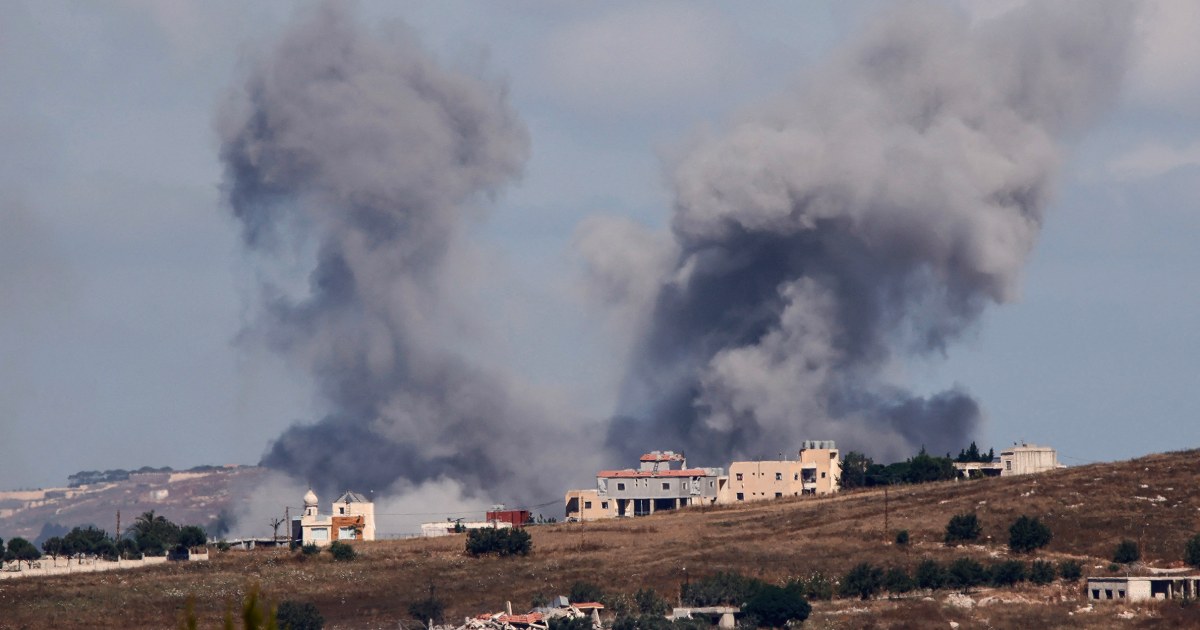
The first peace talks between the United States and Iran were postponed Friday, as Vice President JD Vance canceled his planned travel to Switzerland and intense new Israeli strikes in Lebanon cast doubts on the deal to end the war.
Get unlimited access to ad-free articles and exclusive content.
The escalation in Lebanon came just days after the interim U.S.-Iran agreement was signed and as the two sides were set to sit down for their first negotiations to agree a lasting conclusion to the conflict started by the U.S. and Israel in late February.
The White House did not give a reason for the cancelation of Vance’s trip to the Swiss Alps. The talks that had been planned for Friday were meant to launch a 60-day period of negotiations to resolve key long-term issues and ensure a permanent end to the war.
Switzerland’s foreign ministry confirmed early Friday that the planned talks between the U.S., Iran, Qatar and Pakistan would not take place in the mountaintop resort of Bürgenstock.
“Switzerland remains ready to facilitate these talks,” the ministry said in a statement, adding that “relevant preparatory work” in Bürgenstock is continuing.
A White House spokesperson said late Thursday that Vance would not be traveling to Switzerland.
“As the Vice President said at his press conference, the plans for the upcoming technical talks have not been finalized, and the U.S. delegation has been prepared to depart at the first available opportunity,” the spokesperson said. “But the logistics of these negotiations have never been simple or predictable. As of now the Vice President is not departing tonight.”
The spokesperson added, “We look forward to beginning technical talks as soon as possible.”
Speaking at the White House earlier Thursday, Vance stressed that Israel had to “respect this peace process that is fundamentally good for them and good for the entire region.”
He also addressed President Donald Trump’s public frustration with Israeli Prime Minister Benjamin Netanyahu, saying that Israeli strikes in Lebanon when they were “right on the cusp of a major breakthrough in the agreement” were “not acceptable.”
In Lebanon, Israel said it targeted Tehran-backed militant group Hezbollah across the south of the country overnight and early Friday, killing at least 18 people, Lebanese health officials reported.
The Israeli military said four of its soldiers were killed and another five injured as Hezbollah also reported fighting in the area.
There was no immediate reaction from Iranian officials, with the country’s state media reporting on the postponement of the talks but not laying out the reasons for it.
Iran has warned that it would not abide by the agreement should Israel, which was left out of the peace talks, continue its deadly campaign in Lebanon.
Iran’s Supreme Leader Mojtaba Khamenei said that Trump brought about the interim agreement “out of desperation.”
In a statement released Thursday night on Telegram, Khamenei said he “held a different view” on the memorandum of understanding, but gave his permission anyway, adding that Iran won’t submit to any “excessive” American demands.
“It is self-evident that the in-person negotiations that will take place in the future will not mean acceptance of the enemy’s position,” he added.
The interim agreement includes reopening the key Strait of Hormuz trading route, after months of disruption for the global economy.
Brent crude steadied Friday but remained set for a more than 8% weekly decline given news of the deal.
NBC News analysis of marine traffic through the crucial waterway revealed a slow trickle of ships travelling through the strait Thursday and into Friday, as two Chinese and two Hong Kong owned ships and a Japanese crude oil tanker left the Persian Gulf, where they had been stuck since February.